Introducing Helical Rack & Pinion System For DXonJet Wall Printers
September 5, 2025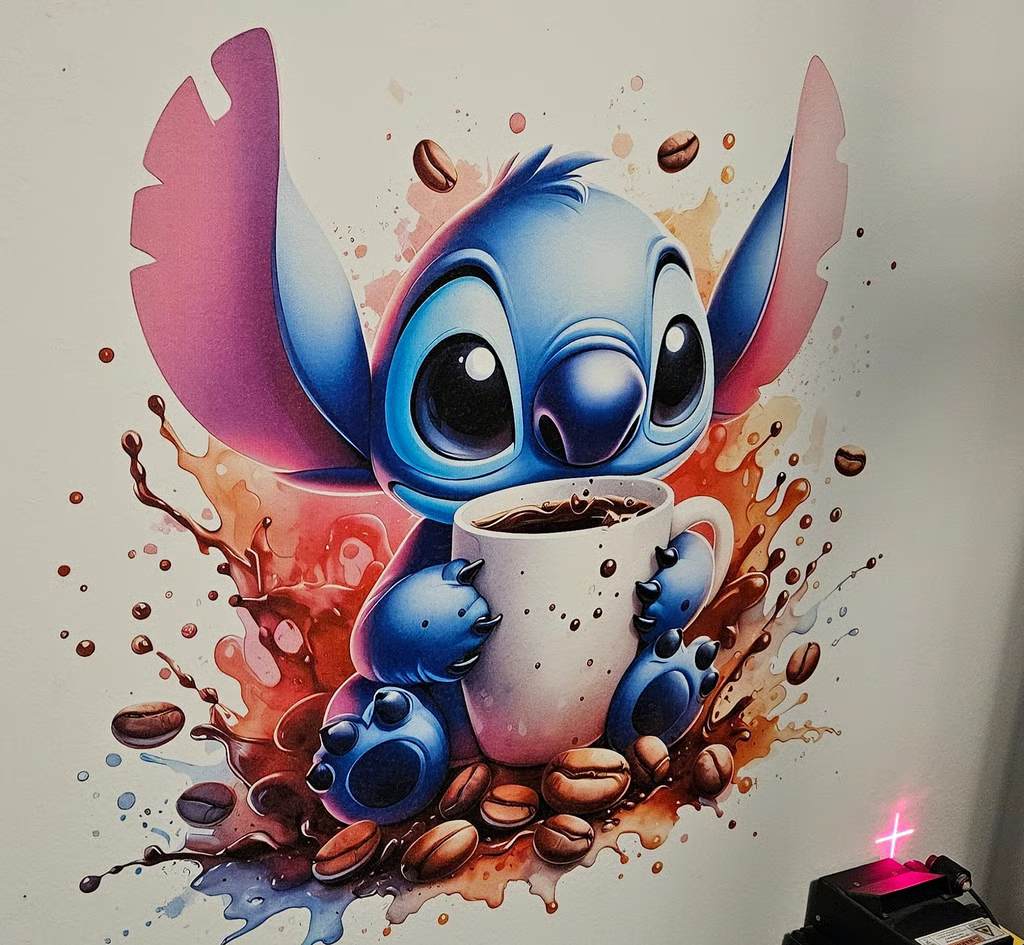
DXonJet Wall Printer Review-From Mike Davis
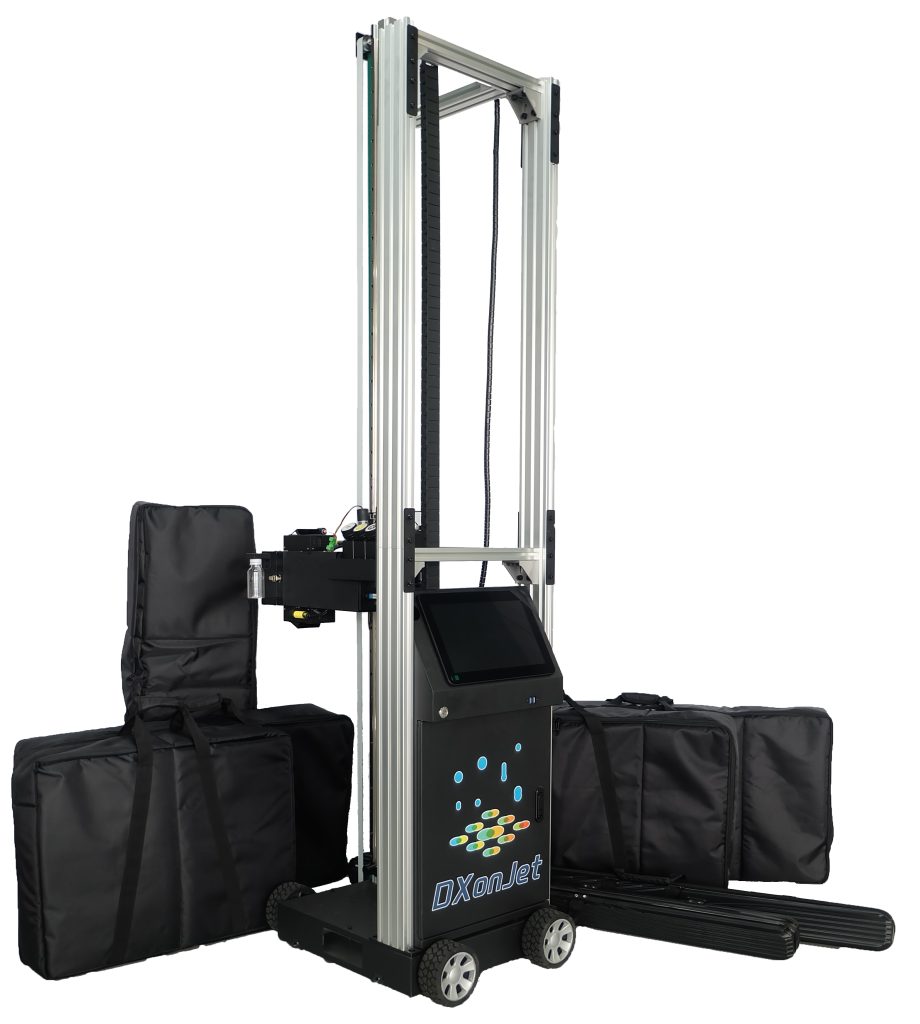
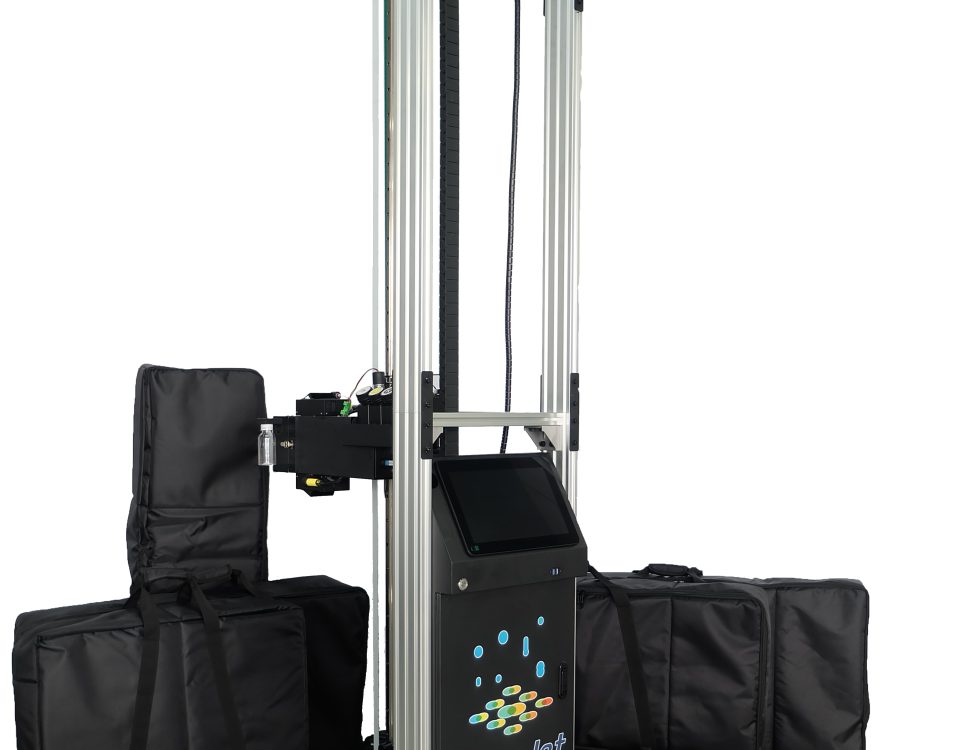
December 22, 2025Unleash a new dimension of wall art with the DXonJet Vertical UV Printer. We’ve just boosted this capability with a new feature powered by the Epson i3200 printhead!
This cutting-edge system precisely layers UV-curable ink directly onto any vertical surface—from wood and glass to concrete—to create stunning, touchable 2.5D/3D relief textures. Effortlessly deliver high-resolution, durable, and fully customized tactile art for decorative murals or accessible Braille signage. Go beyond flat images and revolutionize your space with printed texture you can finally feel.
Inkjet relief printing is a modern application of inkjet technology that is used to create a tactile, low-relief (3D) effect on a flat printed surface.
It is distinct from traditional relief printing (like woodcut or linocut, where you carve an image and print from the raised surface). Instead, this process uses a digital-to-physical method.
What is Vertical Inkjet Relief Printing?
The technology works by using industrial-grade, often large-format, inkjet wall printers to deposit multiple, thick layers of curable ink (usually UV-cured ink) directly onto a substrate (like paper, canvas, metal, or acrylic).
- Digital Design: A digital file is created that contains both the color image and a separate “depth map” which dictates the height of the ink layers.
- Layered Deposition: The printer repeatedly jets tiny droplets of ink onto the same areas, carefully following the depth map.
- UV Curing: After each layer is deposited, it is immediately cured (hardened) by an onboard UV light.
- Final Print: The resulting print is a full-color image with a raised, textured surface that can be felt, giving it a true relief quality. The height of the relief is typically a few millimeters.
This technique is often referred to as 3D Inkjet Printing or High-Resolution Relief Printing when applied to 2D surfaces.
Advantages of Vertical Inkjet Relief Printing
The combination of digital precision and a tangible surface offers several key advantages:
| Advantage | Description |
| High Resolution and Detail | Unlike traditional carving, the digital process can reproduce minute details, textures, and subtle gradients in the color image while simultaneously building up the physical relief with micrometer-level accuracy. |
| Accessibility (Tactile Graphics) | It is an ideal method for creating Braille, tactile maps, and diagrams for the visually impaired. It allows for crisp, durable, raised text and graphics that meet accessibility standards. |
| Museum/Fine Art Reproduction | It allows for the creation of incredibly realistic reproductions of masterworks (paintings, etchings, or artifacts). It can replicate the brushstrokes, texture, or cracked surface of an original painting, making the copy virtually indistinguishable by touch. |
| Durability and Versatility | The UV-curable inks are extremely durable, long-lasting, and often resistant to scratching, fading, and moisture. This makes the prints suitable for both indoor and outdoor applications on a wide range of rigid materials. |
| Digital Workflow | The entire process is managed digitally. This allows for rapid prototyping, easy color correction, instant design changes, and consistent reproduction of the print from the digital file, unlike the labor-intensive, irreversible process of traditional printmaking. |


 English
 Español
 Français
 Deutsch
 Italiano
 Nederlands
 Polski
 Русский
 Türkçe
 한국어
 Română
 繁體中文
 العربية
 हिन्दी
 日本語